
Treatment ranges from watchful waiting for mild cases; medication (alpha-blockers, 5α-reductase inhibitors) for moderate symptoms; minimally invasive procedures like UroLift and Rezūm; or surgery including TURP, HoLEP, and robotic prostatectomy for larger glands. At Assure Urology & Robotic Centre, Singapore, our urologists tailor BPH treatment to symptom severity, prostate size, and patient priorities
including sexual function preservation, with same-week assessment available at Mount Elizabeth and Farrer Park.
ក្រពេញប្រូស្តាតគឺជាផ្នែកមួយនៃប្រព័ន្ធបន្តពូជរបស់បុរស ហើយការងារចម្បងរបស់វាគឺផលិតសារធាតុរាវនៅក្នុងទឹកកាមដែលផ្តល់សារធាតុចិញ្ចឹមសម្រាប់មេជីវិតឈ្មោល។ ការវិវឌ្ឍន៍នៃក្រពេញប្រូស្តាតត្រូវបានគ្រប់គ្រងដោយអ័រម៉ូន Testosterone ដែលជាអរម៉ូនបុរស។
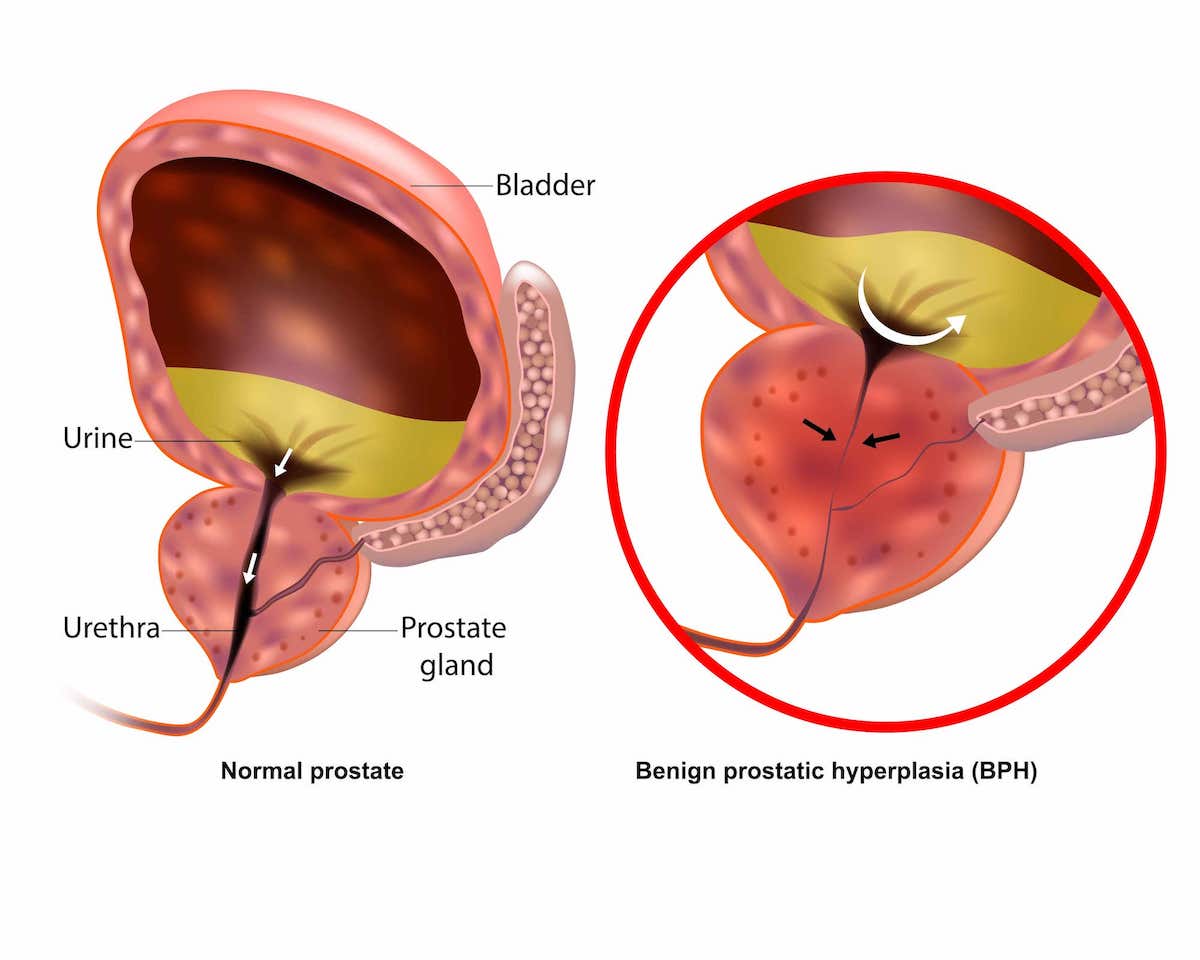
The prostate gland usually goes through 2 phases of growth during a man’s life — the first begins early on during puberty when the prostate gland doubles in size. The second phase starts around age 25 and continues as they age. The condition in which the prostate gland enlarges to more than 20-25 g is known as benign prostatic hyperplasia (BPH).
ជំងឺលើសឈាមក្នុងក្រពេញប្រូស្តាតស្រាល គឺជាជំងឺទូទៅមួយដែលប៉ះពាល់ដល់បុរសភាគច្រើននៅទូទាំងពិភពលោក។ អត្រាប្រេវ៉ាឡង់របស់វាកើនឡើងបន្ទាប់ពីអាយុ 40 ឆ្នាំ និងឈានដល់ប្រហែល 70-80% នៅអាយុ 90 ឆ្នាំ។ បន្ថែមពីលើនេះបើយោងតាមការសិក្សាដែលធ្វើឡើងលើក្រពេញប្រូស្តាតស្លូតបូតនៅប្រទេសសិង្ហបុរី វាត្រូវបានគេសង្កេតឃើញថាជាមួយនឹងចំនួនប្រជាជនដែលមានវ័យកាន់តែចាស់ វាមានសក្តានុពលសម្រាប់ស្ថានភាពនៃជំងឺនេះ។ ក្លាយជាលក្ខខណ្ឌ urological ទូទៅបំផុតមួយនៅក្នុងប្រទេស។
ខណៈពេលដែលមូលហេតុនៃ BPH មិនត្រូវបានគេដឹង វាត្រូវបានណែនាំជាញឹកញាប់ថា BPH អាចត្រូវបានជះឥទ្ធិពលដោយហ្សែន របបអាហារ និងរបៀបរស់នៅ។ របាយការណ៍ថ្មីៗក៏បានណែនាំផងដែរអំពីការជាប់ទាក់ទងគ្នានៃ BPH ជាមួយនឹងរោគសញ្ញាមេតាបូលីស (ឧទាហរណ៍ ជំងឺទឹកនោមផ្អែម លើសឈាម លើសជាតិខ្លាញ់ក្នុងឈាម ធាត់) ការងាប់លិង្គ និងការរលាក។
BPH គឺជាស្ថានភាពស្លូតបូត ដែលមានន័យថា វាមិនមែនជាមហារីក ហើយនឹងមិនបង្កើនហានិភ័យនៃជំងឺមហារីកក្រពេញប្រូស្តាតឡើយ។ BPH ខ្លួនវាប្រហែលជាមិនត្រូវការការព្យាបាលណាមួយទេ ប៉ុន្តែជារឿយៗវាអាចបណ្តាលឱ្យមានរោគសញ្ញាទឹកនោមធ្ងន់ធ្ងរជាច្រើន ដែលអាចធានាដល់ការអន្តរាគមន៍ផ្នែកវេជ្ជសាស្រ្ត នៅពេលដែលវាប៉ះពាល់ដល់ជីវិតប្រចាំថ្ងៃរបស់អ្នក។
BPH អាចនាំអោយមានរោគសញ្ញាផ្លូវទឹកនោមទាប (LUTS) នៅពេលដែលក្រពេញប្រូស្តាតរីកធំចាប់ផ្តើមស្ទះបង្ហួរនោម។ រោគសញ្ញានៃ BPH រួមមាន:
រោគសញ្ញាផ្លូវទឹកនោមខាងក្រោម (LUTS)៖
នៅក្នុង BPH កម្រិតខ្ពស់ LUTS ទាំងនេះអាចនាំឱ្យមានផលវិបាកដូចជា:
Although benign prostatic hyperplasia is not cancerous, the LUTS symptoms may get severe and affect urination and daily life. If you are experiencing any of the urinary problems described above, it would be prudent to visit a doctor to discuss the possible causes of your symptoms as well as further treatment plans. Even if these symptoms are not bothersome, it is important to identify and rule out any underlying causes of LUTS.
មូលហេតុដែលអាចកើតមាននៃ LUTS អាចរួមមាន:
ប្រសិនបើអ្នកជួបប្រទះការនោមស្រួចស្រាវ (អសមត្ថភាពក្នុងការបញ្ចេញទឹកនោមភ្លាមៗ និងធ្វើឱ្យប្លោកនោមទទេទាំងស្រុង) ស្វែងរកការព្យាបាលភ្លាមៗ។
ក្នុងអំឡុងពេលពិគ្រោះដំបូងរបស់អ្នក អ្នកជំនាញខាង urologist នឹងពិភាក្សាអំពីរោគសញ្ញា និងសញ្ញារបស់អ្នក ហើយនឹងយកប្រវត្តិវេជ្ជសាស្ត្រលម្អិត រួមទាំងប្រវត្តិគ្រួសាររបស់អ្នក និងប្រវត្តិវេជ្ជសាស្ត្រពីមុន ដើម្បីឱ្យពួកគេយល់ច្បាស់អំពីស្ថានភាពរបស់អ្នក។
អ្នកជំនាញខាង urologist ក៏អាចធ្វើការពិនិត្យរាងកាយ ដើម្បីវាយតម្លៃមូលហេតុនៃរោគសញ្ញារបស់អ្នក។ ការពិនិត្យរាងកាយជាធម្មតារួមបញ្ចូលការពិនិត្យពោះ និងឌីជីថលតាមរន្ធគូថ (សូមមើលខាងក្រោម)។ ការពិនិត្យរាងកាយសរសៃប្រសាទខ្លីៗក៏អាចនឹងត្រូវបានធ្វើដែរប្រសិនបើមានការបញ្ជាក់។
បន្ទាប់ពីនេះ ការស៊ើបអង្កេតបន្ថែមអាចនឹងត្រូវបានទាមទារដើម្បីបញ្ជាក់ពីការធ្វើរោគវិនិច្ឆ័យ និងបដិសេធនូវផលវិបាកណាមួយ។ ភាគច្រើននៃការធ្វើតេស្តរោគវិនិច្ឆ័យទាំងនេះអាចត្រូវបានអនុវត្តនៅក្នុងគ្លីនិក។
There are many ways to evaluate benign prostatic hyperplasia. These include:
វេជ្ជបណ្ឌិតនឹងពិនិត្យរកមើលការរីកធំនៃក្រពេញប្រូស្តាត ការឈឺចាប់ និងដុំពក/ចំណុចរឹង ដែលអាចកើតឡើងដោយសារជំងឺមហារីកក្រពេញប្រូស្តាត។ DRE ជាធម្មតាមានរយៈពេលប្រហែល 20 វិនាទី ហើយវាមិនសូវមានការឈឺចាប់ទេ ទោះបីជាអ្នកជំងឺខ្លះអាចមានអារម្មណ៍មិនស្រួលបន្តិចក៏ដោយ។ សរុបមក DRE គឺជាការស៊ើបអង្កេតដ៏សំខាន់មួយក្នុងការស្វែងរកបញ្ហាណាមួយឱ្យបានឆាប់រហ័ស និងឆាប់រហ័ស។
 – កំណត់ហេតុប្រចាំថ្ងៃរបស់ប្លោកនោម - នេះគឺជាឧបករណ៍វាយតម្លៃដ៏សំខាន់ដែលអនុញ្ញាតឱ្យអ្នកជំងឺកត់ត្រាបរិមាណសារធាតុរាវដែលពួកគេទទួលទាន ថាតើពួកគេនោមញឹកញាប់ប៉ុណ្ណា (បរិមាណ និងពេលវេលា) ហើយប្រសិនបើពួកគេជួបប្រទះការលេចធ្លាយទឹកនោមផងដែរ។ ប៉ារ៉ាម៉ែត្រផ្សេងទៀតដែលអាចទទួលបានរួមមាន ភាពញឹកញាប់នៃការបន្ទោរបង់ពេលថ្ងៃ និងពេលយប់ និងសមាមាត្រនៃការផលិតទឹកនោមពេលយប់ធៀបនឹងពេលថ្ងៃ។ វាជាការសំខាន់ណាស់ដែលអ្នកជំងឺបំពេញវាឱ្យបានពេញលេញដើម្បីឱ្យ urologist នឹងអាចជួយពួកគេគ្រប់គ្រងរោគសញ្ញារបស់ពួកគេប្រកបដោយប្រសិទ្ធភាព។

TreatmentTypeAnaesthesiaHospital stayRecoverySexual side effectsBest suited forWatchful waiting + lifestyleConservativeNoneNoneN/ANoneMild symptoms (IPSS < 8)Alpha-blockers (e.g. tamsulosin)MedicalNoneNoneContinuousRetrograde ejaculation 5–10%Mild–moderate symptoms5α-reductase inhibitors (finasteride / dutasteride)MedicalNoneNone6–12 months for full effectED ~5–10%, libido reductionLarger prostates (> 40 g)UroLift (prostatic urethral lift)Minimally invasiveLocal / light sedationDay surgery1–2 weeksPreserves ejaculationModerate symptoms; prostate < 80 gRezūm (water vapour therapy)Minimally invasiveLocal / light sedationDay surgery2–4 weeksLargely preservedModerate symptoms; prostate 30–80 gTURP (Transurethral resection)SurgicalGeneral / spinal1–3 nights2–4 weeksRetrograde ejaculation 65–75%, ED ~5–10%Moderate–severe symptoms; standard referenceHoLEP (Holmium laser enucleation)Surgical (laser)General / spinal1–2 nights2–3 weeksSimilar to TURPLarger prostates (> 80 g); durableOpen / robotic prostatectomySurgicalGeneral2–5 nights4–6 weeksHigher ED rateVery large prostates (> 100 g)BPH leading to bothersome lower urinary tract symptoms can be treated in several ways, ranging from medical methods to surgery.
 – ការវះកាត់ក្រពេញប្រូស្តាត Transurethral Resection (TURP) is safe and effective and is commonly used in managing BPH. It involves removing the part that obstructs the prostate gland with an instrument known as a resectoscope, which is inserted into the bladder through the urinary passage in the penis. The procedure is typically performed under spinal or general anaesthesia and may involve an inpatient stay of one to two days.
– ការព្យាបាលដោយឡាស៊ែរ អាចត្រូវបានប្រើដើម្បីបំផ្លាញ និងយកជាលិកាក្រពេញប្រូស្តាតដែលដុះលើសចេញ។ វាមានទម្រង់ផលប៉ះពាល់ទាប ហើយត្រូវបានគេដឹងថាមានប្រសិទ្ធភាពក្នុងការជួយកាត់បន្ថយរោគសញ្ញា BPH ក្នុងវិធីសុវត្ថិភាព និងមិនមានការរាតត្បាត។ ការព្យាបាលដោយឡាស៊ែរត្រូវបានផ្តល់ជូនអ្នកជំងឺមួយចំនួន ដូចជាអ្នកដែលប្រើថ្នាំគ្រាប់ឈាម ដែលការវះកាត់មិនត្រូវបានណែនាំទេ។
– វិធីសាស្រ្តប្រលោមលោក such as convective water vapour energy ablation is injected into the prostate to shrink the prostate. It can be performed very quickly with sustained effect, and ejaculatory function can also be preserved. Additionally, an alternative treatment option known as Prostatic Urethral Lift (Urolift) can be performed in suitable patients, and it also has a lower incidence of sexual side effects.
– ការវះកាត់ក្រពេញប្រូស្តាតសាមញ្ញ ជំនួយដោយមនុស្សយន្ត is a minimally invasive surgery where the entire prostate adenoma (benign tumour/BPH) is removed. This surgery is rarely performed and is reserved only for very large prostates.
While many complications do not usually occur with benign prostatic hyperplasia treatment, some patients may face the following:
នោមឈឺ ឬពិបាកបត់ជើងតូច – While this may occur at the start of the treatment, symptoms will usually resolve with time. Some patients may even experience urinary retention, frequency, or urgency, but these effects are temporary and will return to normal after a few months.
ការឆ្លងមេរោគផ្លូវទឹកនោម (UTI) – Patients who struggle with urination or are not able to empty the bladder completely may have a higher risk of getting a UTI. Additionally, the use of catheters in a number of benign prostatic hyperplasia treatments may result in UTIs.
ខូចតំរងនោម និងប្លោកនោម – If the patient is not able to empty the bladder properly, the wall of the bladder may weaken over time, and as a result, the bladder wall muscles may not be able to contract properly. This contraction is essential to pass urine. The pressure of an overly distended bladder due to not being able to urinate properly can damage the kidneys as well.
While there is no definite strategy to prevent BPH, adopting certain practices such as being more active, controlling type 2 diabetes, eating a well-balanced diet rich in fruits and vegetables, and limiting alcohol intake may have a positive impact on improving your urinary symptoms.
In conclusion, benign prostatic hyperplasia is a common condition among men as they age. Most men with an enlarged prostate do not develop many complications, and BPH can be readily treated with medication. If you suffer from BPH symptoms, ensure that you consult your urologist for a proper diagnosis and personalised treatment plan.
Don’t let uncomfortable symptoms rob you of your peace and leave you in physical discomfort. Early treatment can reduce further risk of complicated disease progression.

 ភាសាខ្មែរ
 English
 简体中文
 ဗမာစာ
 Tiếng Việt
 Tagalog
 Bahasa Indonesia