

រាងកាយរបស់យើងមានក្រលៀនពីរដែលនៅផ្នែកម្ខាងនៃរាងកាយនៅតាមបណ្តោយពោះផ្នែកខាងលើ។ ក្រលៀនរបស់យើងគឺជារចនាសម្ព័ន្ធទំហំសណ្តែកដែលនៅជិតខ្នងរបស់យើងនៅផ្នែកនីមួយៗនៃឆ្អឹងខ្នង។ តម្រងនោមគឺជាសរីរាង្គដ៏សំខាន់ដែលចាំបាច់សម្រាប់ការរស់រានមានជីវិត។ ក្រៅពីជួយកែច្នៃ និងលុបបំបាត់ផលិតផលកាកសំណល់ និងជាតិទឹកបន្ថែមចេញពីរាងកាយដូចជាទឹកនោម ពួកវាក៏ជួយគ្រប់គ្រងតុល្យភាពទឹក អំបិល និងសារធាតុរ៉ែនៅក្នុងឈាមផងដែរ។
A tumour is malignant when it has the potential to invade nearby tissues and spread to distant organs. The most common type of kidney cancer (90%) is known as renal cell carcinoma (RCC), and it often appears first in the lining of tiny tubes located within the kidney, also known as tubules. Renal transitional cell carcinoma (TCC) or urothelial cancer (UC) is another kind of kidney cancer that arises from the inner lining of the urinary tract. This cancer does not occur commonly and accounts for around 5-10% of kidney cancers.
នៅប្រទេសសិង្ហបុរី មហារីកតម្រងនោមគឺជាមហារីកមួយក្នុងចំណោមមហារីកទូទៅបំផុតទាំង 10 ចំពោះបុរស ហើយមានចំនួន 1-2 % នៃមហារីកទាំងអស់។ វាច្រើនកើតមានចំពោះអ្នកជំងឺវ័យចំណាស់ (អាយុលើសពី ៦៥ឆ្នាំ) ហើយយោងទៅតាមការសិក្សាជាច្រើន អត្រាប្រេវ៉ាឡង់នៃករណីតម្រងនោមកំពុងកើនឡើង។ នេះភាគច្រើនដោយសារតែការប្រើប្រាស់ការស៊ើបអង្កេតរូបភាពដូចជាការស្កែនអ៊ុលត្រាសោន (USS) និងការស្កែន tomography គណនា (CT) ដែលនាំទៅដល់ការរកឃើញ និងការធ្វើរោគវិនិច្ឆ័យនៃជំងឺមហារីកតម្រងនោមភាគច្រើននៅក្នុងប្រទេសសិង្ហបុរី។
មនុស្សភាគច្រើនដែលមានជំងឺមហារីកតម្រងនោមនៅដំណាក់កាលដំបូងរបស់ពួកគេមិនមានរោគសញ្ញាអ្វីនោះទេ។ ប្រហែល 2 ភាគ 3 នៃជំងឺមហារីកតម្រងនោមត្រូវបានរកឃើញនៅពេលដែលអ្នកជំងឺទៅជួបគ្រូពេទ្យសម្រាប់បញ្ហាដែលមិនទាក់ទងនឹងជំងឺមហារីកតម្រងនោម។ ការរកឃើញចៃដន្យទាំងនេះជាធម្មតាត្រូវបានគេមើលឃើញនៅលើរូបភាពវិទ្យុសកម្មនៅពេលដែលជំងឺមហារីកនៅតែស្ថិតក្នុងដំណាក់កាលដំបូងរបស់វា។ ទោះជាយ៉ាងណាក៏ដោយ សម្រាប់អ្នកជំងឺដែលនៅសេសសល់មួយភាគបី ជំងឺមហារីកជាធម្មតាមានកម្រិតខ្ពស់ជាង។
ជាទូទៅ រោគសញ្ញាមហារីកតម្រងនោមរួមមាន៖
When renal cancer spreads to other parts of the body, it may cause a number of symptoms, such as:
ជាទូទៅ រោគសញ្ញាណាមួយខាងលើគឺជារោគសញ្ញានៃទង់ក្រហម ហើយគួរតែធានាការទៅជួបគ្រូពេទ្យបឋម ឬអ្នកជំនាញខាង urologist របស់អ្នក។ មហារីកតំរងនោមអាចមានលក្ខណៈអាក្រក់នៅពេលចាប់ផ្តើម ធ្វើឱ្យការរកឃើញ និងការធ្វើរោគវិនិច្ឆ័យទាន់ពេលវេលាមានសារៈសំខាន់ក្នុងការជួយឱ្យទទួលបានការព្យាបាលមហារីកតម្រងនោមត្រឹមត្រូវ ដើម្បីបង្កើនលទ្ធផលរស់រានមានជីវិត។
 There are four stages of kidney cancer – Stage I, II, III, and IV. The lower the number, the less the cancer has spread. Stage 4 kidney cancer denotes metastatic cancer; this means the kidney cancer has spread to other organs as well, such as the lungs, pancreas, bowel, and bone. Once kidney cancer has been diagnosed, the doctor will proceed to determine the staging. Staging of cancers is important because it helps to ascertain whether the kidney cancer has spread or not and to determine the extent of the spread. This will also determine the prognosis of the patient and their kidney cancer treatmentplan. Cancer staging is one of the main factors that are taken into account while discussing survival statistics.
មហារីកតម្រងនោមភាគច្រើនមិនមានមូលហេតុជាក់លាក់ណាមួយចំពោះពួកគេទេ ទោះបីជាកត្តាហានិភ័យមួយចំនួនអាចបង្កើនហានិភ័យនៃការកើតជំងឺមហារីកតម្រងនោមដូចជា៖
ប្រសិនបើបុគ្គលម្នាក់បង្ហាញរោគសញ្ញាមហារីកតម្រងនោម ដែលអាចចង្អុលទៅរកស្ថានភាពនេះ គ្រូពេទ្យថែទាំបឋមរបស់ពួកគេនឹងបញ្ជូនពួកគេទៅកាន់អ្នកជំនាញខាង urologist ដើម្បីធ្វើការវាយតម្លៃ និងវាយតម្លៃបន្ថែម។
ប៉ុន្តែមុននឹងអ្នកធ្វើការពិគ្រោះយោបល់ អ្នកគួរតែរៀបចំខ្លួនអ្នក និងធ្វើបញ្ជីនៃរោគសញ្ញា និងកង្វល់របស់អ្នក។ ការមានបញ្ជីនៃស្ថានភាពសុខភាព និងថ្នាំបច្ចុប្បន្នរបស់អ្នកទាំងអស់នឹងជួយឱ្យអ្នកជំនាញខាង urologist ទទួលបានការយល់ដឹងល្អអំពីស្ថានភាពសុខភាពបច្ចុប្បន្ន និងប្រវត្តិវេជ្ជសាស្ត្ររបស់អ្នក។
ក្នុងអំឡុងពេលពិគ្រោះ វេជ្ជបណ្ឌិតនឹងចាប់ផ្តើមជាធម្មតាដោយទទួលយកប្រវត្តិវេជ្ជសាស្ត្រលម្អិត រួមទាំងរោគសញ្ញាបច្ចុប្បន្នរបស់អ្នក ប្រវត្តិវេជ្ជសាស្ត្រពីមុន បញ្ជីថ្នាំ ប្រវត្តិសង្គម (ដូចជាថាតើអ្នកជក់បារីឬអត់ ផឹកស្រា និងប្រវត្តិការងាររបស់អ្នក) និងគ្រួសារ។ ប្រវត្តិសាស្ត្រ។ ការកត់ត្រាប្រវត្តិនេះគឺមានសារៈសំខាន់ក្នុងការវាស់វែងស្ថានភាពរបស់អ្នក ក៏ដូចជាក្នុងការកំណត់អត្តសញ្ញាណកត្តាហានិភ័យណាមួយដែលអាចនាំឱ្យអ្នកកើតជំងឺមហារីកតម្រងនោម។ នេះនឹងត្រូវបានបន្តដោយការពិនិត្យរាងកាយដើម្បីជួយឱ្យអ្នកឯកទេសទទួលបានព័ត៌មានសំខាន់ៗបន្ថែមទៀតអំពីស្ថានភាពរបស់អ្នក ក៏ដូចជាដើម្បីពិនិត្យរកមើលការប្រែប្រួលខុសប្រក្រតីណាមួយនៅក្នុងសួត បេះដូង និងពោះរបស់អ្នក។
ប្រសិនបើមហារីកតម្រងនោមត្រូវបានគេសង្ស័យបន្ទាប់ពីការរកឃើញនៃការពិនិត្យប្រវត្ដិសាស្រ្ដ និងការពិនិត្យរាងកាយ គ្រូពេទ្យអាចនឹងបញ្ជាឱ្យធ្វើតេស្តបន្ថែមទៀតដើម្បីជួយបញ្ជាក់ពីការធ្វើរោគវិនិច្ឆ័យ។ ការធ្វើតេស្តទាំងនេះអាចរួមបញ្ចូលមួយចំនួនដូចខាងក្រោម:

ទេ មិនមានការធ្វើតេស្តឈាមជាក់លាក់ណាមួយដើម្បីធ្វើរោគវិនិច្ឆ័យមហារីកតម្រងនោមនោះទេ។ ទោះជាយ៉ាងណាក៏ដោយ ការធ្វើតេស្តឈាមមួយចំនួនអាចត្រូវបានធ្វើឡើងនៅគ្លីនីក ដើម្បីវាយតម្លៃមុខងារតម្រងនោមរបស់អ្នក។ នេះជារឿងសំខាន់ព្រោះមហារីកតំរងនោមមានសក្តានុពលបំផ្លាញកោសិកាតម្រងនោមដែលអាចបណ្តាលឱ្យមុខងារតម្រងនោមចុះខ្សោយ។
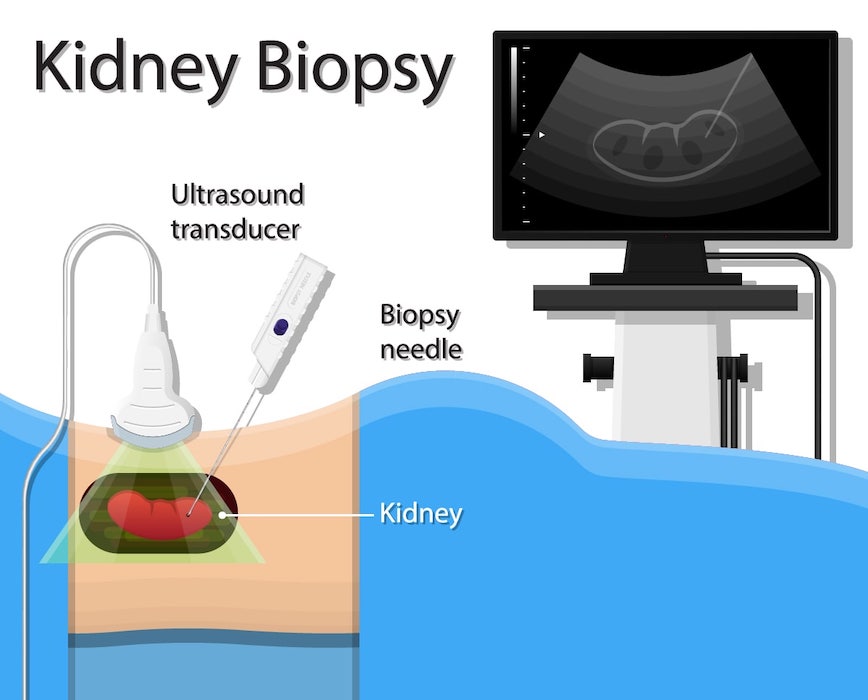
ការព្យាបាលមហារីកតំរងនោមអាចត្រូវបានចាត់ថ្នាក់ទៅជាជម្រើសវះកាត់ និងមិនមែនវះកាត់។ ការព្យាបាលចុងក្រោយនឹងអាស្រ័យលើដំណាក់កាលនៃជំងឺមហារីក ក៏ដូចជាទម្រង់សុខភាពផ្ទាល់ខ្លួន និងលក្ខខណ្ឌវេជ្ជសាស្ត្ររបស់អ្នក។ វេជ្ជបណ្ឌិតផ្សេងទៀតក៏អាចចូលរួមនៅក្នុងផែនការព្យាបាលរបស់អ្នកផងដែរ ដូចជាគ្រូពេទ្យវះកាត់ទូទៅ និងអ្នកជំនាញខាងជំងឺមហារីក ឬវិទ្យុសកម្ម។
ការវះកាត់សម្រាប់ជំងឺមហារីកតម្រងនោមអាចធ្វើឡើងតាមវិធីវះកាត់បែបបុរាណ បើកចំហរជាងនេះ ដែលពាក់ព័ន្ធនឹងការវះកាត់ធំនៅលើពោះ ឬតាមរយៈស្នាមវះតូចៗនៅលើស្បែកក្នុងវិធីសាស្ត្រវះកាត់តូចបំផុត (MIS)។
MIS can be done laparoscopically, also conventionally known as key-hole surgeries, or through បច្ចេកទេសជំនួយដោយមនុស្សយន្ត,which offer 3D visualisation and enhanced control during surgery. The choice between MIS or open surgery depends on the characteristics of the tumour and the patient’s individual factors and fitness for surgery.
ការវះកាត់សរសៃប្រសាទរ៉ាឌីកាល់ ពាក់ព័ន្ធនឹងការដកតម្រងនោម ក្រពេញ Adrenal និងជាលិកាជុំវិញចេញ។ ជាទូទៅវាត្រូវបានធ្វើសម្រាប់មហារីកតម្រងនោមដំណាក់កាលធំ 2 ឬដំណាក់កាលទី 3 ។
Partial nephrectomy involves removing the cancer within the kidney as well as some tissue around it. In this surgery, only a part of the kidney is removed. Partial nephrectomy is indicated for patients with smaller tumours that are <4 cm, for selected tumours <7 cm, or in patients in which a total nephrectomy (removal of the whole kidney) should not be done unnecessarily in view of poor renal function in the other kidney. The main benefit of this approach is that the kidney can be spared as a large portion of it is not removed.
A nephroureterectomy involves the removal of the kidney as well as the ureters, which are the tubes attached to the kidneys that bring urine down to the bladder and a small cuff of the bladder. This surgery is typically performed for urothelial cancers.
Systemic treatment with targeted therapy (drugs that target specific cells in the body) or immunotherapy (drugs that utilise the body’s immune response to kill off cancer cells) may be used to treat advanced kidney cancer. This may also be used in conjunction with surgery to help improve survival outcomes. Systemic therapy is also an alternative for patients who are not fit for surgery.
Local ablation is a minimally invasive procedure that utilises some form of energy to destroy cancer cells. This may include radiofrequency ablation, microwave ablation or cryoablation. The short-term and intermediate outcomes for selected small tumours are generally good.
In general, early kidney cancer treatment leads to positive outcomes. Therefore, it is important to seek medical help early, especially if you are at risk of kidney cancer or have suspicious symptoms such as haematuria (blood in urine) and loss of weight and appetite. Most localised kidney cancers are treatable and can be cured.
It is reassuring to note that there are still many effective kidney cancer treatment modalities for patients with more advanced cancers, such as immunotherapy, and it is advisable to consult a doctor if you suspect that you may have a few kidney cancer symptoms. Following treatment, most patients can live a normal life without the need for dialysis, along with good remission rates.
នៅក្នុងដំណាក់កាលដំបូងរបស់ពួកគេអ្នកជំងឺដែលមាន មហារីកតម្រងនោម ជាធម្មតាមិនមានរោគសញ្ញា (មិនមានរោគសញ្ញា ឬសញ្ញាណាមួយ) ដែលបណ្តាលឱ្យភាគច្រើនត្រូវបានគេធ្វើរោគវិនិច្ឆ័យនៅក្នុងដំណាក់កាលជឿនលឿនរបស់ពួកគេ ឬអំឡុងពេលការរកឃើញដោយចៃដន្យ នៅពេលដែលពួកគេឆ្លងកាត់ការវាយតម្លៃសម្រាប់ការព្រួយបារម្ភផ្នែកវេជ្ជសាស្ត្រផ្សេងទៀត។ ទោះជាយ៉ាងណាក៏ដោយ រោគសញ្ញា និងរោគសញ្ញាមួយចំនួនអាចត្រូវបានគេមើលឃើញថានៅពេលដែលដុំសាច់ដុះលូតលាស់។
Here are some of the kidney cancer symptoms that may hint toward a diagnosis of this condition:
Most patients with kidney cancer can be treated effectively with surgery if they present in their early stages. Therefore, it is important to seek medical attention from a urologist if you notice any signs or symptoms that may hint towards a kidney cancer diagnosis, such as haematuria, loss of appetite, unintentional weight loss or anaemia.
While surgery is the primary kidney cancer treatment in most cases, some may need a combination of other treatment modalities, including targeted therapy and immunotherapy. Surgery entails removing the entire tumour, which may be done through the conventional open surgery technique or laparoscopic surgery. Furthermore, some may even be offered the option of undergoing ការវះកាត់មនុស្សយន្ត if deemed suitable. Relative to open surgeries, robotic urologic surgery provides multiple benefits such as less postoperative pain, a speedier recovery and less noticeable scars.
Kidney cancer in Singapore accounts for 1-2% of all cancers and is one of the 10th most common cancers in men. Globally, according to the American Kidney Cancer Society, the 5-year survival rate for localised kidney cancer is around 93%, with a 72% rate for regional cancers and a 15% rate for distant kidney cancers. Kidney cancer is more prevalent in men than women and is commonly found in elderly patients, where approximately two-thirds of those diagnosed are above age 65. With the rise of the use of imaging techniques, such as ultrasound scans (USS) and computed tomography scans (CT), the prevalence of this condition has shown to increase at a rate of around 2-3% each year.
Yes. If malignant kidney cancer is not treated or the condition goes undetected, it has the potential to be life-threatening. While some can be aggressive and spread to other organs, a good prognosis can be expected if prompt kidney cancer treatment is provided in the early stages.
ទូទៅបំផុត មហារីកតម្រងនោម in Singapore is renal cell carcinoma (RCC), and it accounts for about 85-90% of all diagnosed cases worldwide. Benign (non-cancerous) kidney tumours, on the other hand, aren’t usually fatal as they do not spread to other parts of the body. These tumours may be removed surgically, if they are causing symptoms, such as bleeding or are causing issues to the normal function of the kidney.
អត្រានៃការរីករាលដាលនៃជំងឺមហារីកតម្រងនោមនឹងអាស្រ័យលើកត្តាមួយចំនួន រួមទាំងប្រភេទ ទំហំ វិសាលភាព និងកម្រិតនៃជំងឺមហារីក។ ជាធម្មតា ដុំសាច់ធំ និងខ្ពស់ជាងនេះ មាននិន្នាការកាន់តែឈ្លានពាន ហើយទំនងជារីករាលដាល (រីករាលដាល) ទៅសរីរាង្គផ្សេងទៀត ខណៈដែលដុំសាច់ក្នុងកម្រិតទាប មានការលូតលាស់យឺតជាង។
According to the World Journal of Oncology, the most common and aggressive form of renal cell carcinoma is the clear cell subtype, and about 70% of kidney cancers are composed of these cells. Renal oncocytoma (a noncancerous kidney tumour), on the other hand, is not aggressive, grows rather slowly and does not metastasise .
Overall, the rate of spread will vary depending on the type of kidney cancer, making medical evaluation an important facet for an enhanced outcome. Therefore, it is essential that you consult a reliable and experienced medical professional for a thorough assessment like Dr Terence Lim, who is a ទីប្រឹក្សា Urology ជាន់ខ្ពស់ ក៏ដូចជានាយកវេជ្ជសាស្ត្រនៅ ធានាមជ្ឈមណ្ឌល Urology & Roboticជាមួយនឹងជំនាញឯកទេសផ្នែក Uro-Oncology (មហារីកប្រព័ន្ធប្រសាទ) និងបទពិសោធន៍ក្នុងការធ្វើការវះកាត់មនុស្សយន្តជាង 700 ដង គាត់មានភាពប៉ិនប្រសប់ក្នុងការផ្តល់ការព្យាបាលអ្នកជំនាញសម្រាប់ជំងឺមហារីកតម្រងនោម។
នៅមជ្ឈមណ្ឌល Assure Urology & Robotic Centre យើងយល់ថា ការឈានទៅដល់ការធ្វើរោគវិនិច្ឆ័យនៃជំងឺមហារីកតម្រងនោម និងការទប់ទល់នឹងផលប៉ះពាល់នៃស្ថានភាពនេះអាចជាភាពតានតឹង និងបញ្ហាប្រឈមខ្លាំង។ ប៉ុន្តែអ្នកមិនចាំបាច់បាត់បង់ក្តីសង្ឃឹមទាំងអស់នោះទេ។ ដូចដែលបានរៀបរាប់ពីមុន យើងមានវិធីព្យាបាលមួយចំនួនដែលអាចធ្វើឱ្យដំណើរនៃការជាសះស្បើយរបស់អ្នកកាន់តែងាយស្រួល។
Our Senior Urologist, Dr Terence Lim, also performs several procedures, including reconstructive surgery and trauma, kidney stone removal, circumcision, and ការវះកាត់ប្រព័ន្ធទឹកនោមមនុស្សយន្តលោកវេជ្ជបណ្ឌិត Lim មានបទពិសោធន៍ល្អក្នុងការថែទាំប្រព័ន្ធប្រសាទ ហើយបានធ្វើការវះកាត់មនុស្សយន្តជាង 700 ដងក្នុងអាណត្តិរបស់គាត់។
មិនថាអ្នកកំពុងទទួលរងនូវស្ថានភាពធ្ងន់ធ្ងរដូចជាមហារីក ឬត្រូវការការណែនាំអំពីជំងឺដូចជា មហារីកក្រពេញប្រូស្តាតស្រាល (BPH), ការឆ្លងមេរោគលើផ្លូវទឹកនោម (UTI), គ្រួសក្នុងតម្រងនោមឬការនោមទាស់ កុំស្ទាក់ស្ទើរ ឈានដល់ ដើម្បីឱ្យពួកយើង។
Kidney cancer, while the cause is not often known, can present insidiously, and it is important to detect any warning signs that might be present. Making sure you understand the risk factors of kidney cancers is important so that you can do your best to ensure good health and have good outcomes while controlling your medical conditions effectively.
Don’t let uncomfortable symptoms rob you of your peace and leave you in physical discomfort. Early treatment can reduce further risk of complicated disease progression.

 ភាសាខ្មែរ
 English
 简体中文
 ဗမာစာ
 Tiếng Việt
 Tagalog
 Bahasa Indonesia