

Advanced symptoms include difficulty urinating, blood in urine or semen, pelvic pain, and bone pain. Treatment depends on Gleason score, PSA level, and stage: from active surveillance for low-risk disease, to robotic-assisted radical prostatectomy, external beam radiotherapy, brachytherapy, hormone therapy, and chemotherapy for advanced cases. At Assure Urology & Robotic Centre, Singapore, Dr. Terence Lim provides PSA screening, MRI-targeted biopsy, and robotic-assisted radical prostatectomy at Mount Elizabeth and Farrer Park.
Prostate cancer is the top most commonly diagnosed cancer for men in Singapore and the fifth leading cause of death worldwide. The risk of prostate cancer increases with age, especially among men in their 50s. Thankfully, prostate cancer is treatable, and with early detection, you can make a full recovery.
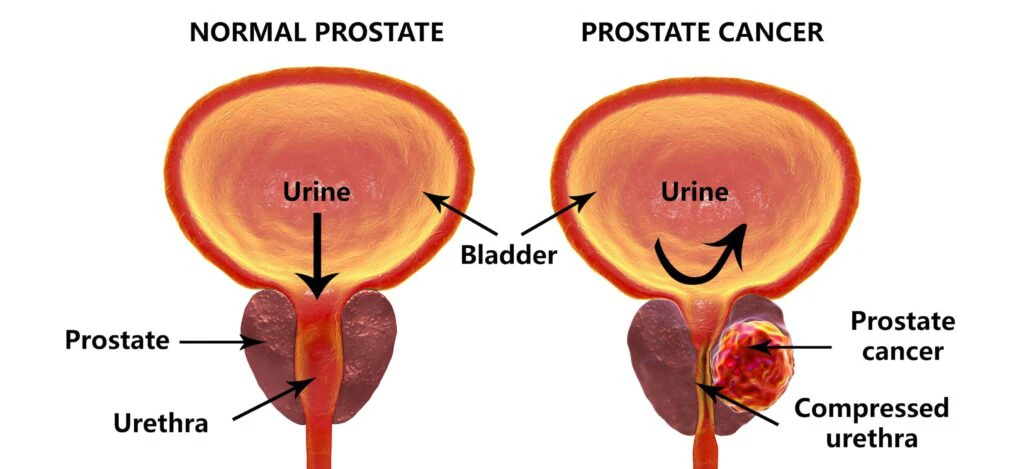 មហារីកក្រពេញប្រូស្តាតមិនបណ្តាលឱ្យមានរោគសញ្ញាអ្វីទេប្រសិនបើវាស្ថិតនៅក្នុងដំណាក់កាលដំបូង។ នៅដំណាក់កាលជឿនលឿនជាងមុន រោគសញ្ញាមួយចំនួនដែលអ្នកអាចជួបប្រទះរួមមាន:
You should visit a prostate specialist in Singapore if you are experiencing any of the symptoms stated above. Additionally, men aged 50 years old and above or with a family history of prostate cancer may require aurological consultation to discuss prostate cancer screening.
មហារីកក្រពេញប្រូស្តាតអាចត្រូវបានចាត់ថ្នាក់តាមហានិភ័យនៃការកើតឡើងវិញបន្ទាប់ពីការព្យាបាល ហើយត្រូវបានចាត់ថ្នាក់ជាមហារីកក្រពេញប្រូស្តាតទាប មធ្យម ខ្ពស់ ឬហានិភ័យខ្ពស់ខ្លាំង។ ការចាត់ថ្នាក់ហានិភ័យគឺអាស្រ័យលើកត្តាខាងក្រោម៖
តារាងខាងក្រោមសង្ខេបពីចំណាត់ថ្នាក់ហានិភ័យផ្សេងៗគ្នានៃជំងឺមហារីកក្រពេញប្រូស្តាត។
.generated-table {
width: 100%;
border-collapse: collapse;
margin: 20px 0;
font-family: sans-serif;
}
.generated-table th,
.generated-table td {
border: 1px solid #ddd;
padding: 12px 15px;
text-align: left;
background-color: transparent;
color: inherit;
}
.generated-table th {
font-weight: bold;
}
.generated-table .tgp-style-1 {
position: relative;
}
.generated-table th { background-color: #f2f8ff; color: #1d3557; }
Risk Level Metrics Low Risk ● PSA < 10 ng/ml And
● ពិន្ទុ Gleason នៃ <7 និង
● ដុំពកដែលមិនអាចលាប់បាន ឬដុំពកដែលមានទំហំតូចជាងពាក់កណ្តាលនៃ 1 ដុំពកនៃក្រពេញប្រូស្តាត
Intermediate Risk ● PSA 10-20 ng/ml Or
● ពិន្ទុ Gleason នៃ 7 Or
● ដុំពកដែលអាចបញ្ចេញបានដែលមានតែ 1 ដុំនៃក្រពេញប្រូស្តាត
High Risk ● PSA > 20 ng/ml Or
● ពិន្ទុ Gleason > 7 ឬ
● ដុំពកដែលអាចលេចចេញបានដែលពាក់ព័ន្ធនឹង lobes ទាំងពីរនៃក្រពេញប្រូស្តាត
Very High Risk ● Tumour that extends beyond the prostate into surrounding structures Or
● កូនកណ្តុរនៅអាងត្រគាកមានជាប់ពាក់ព័ន្ធ
បច្ចុប្បន្នគេមិនទាន់ដឹង ច្បាស់ ពីមូលហេតុនៃជំងឺមហារីកក្រពេញប្រូស្តាតនោះទេ។ ទោះបីជាយ៉ាងណាក៏ដោយ មានលក្ខខណ្ឌមួយចំនួនដែលអាចបង្កើនហានិភ័យនៃការកើតជំងឺមហារីកក្រពេញប្រូស្តាត។ កត្តាហានិភ័យនៃជំងឺមហារីកក្រពេញប្រូស្តាតគឺ៖
ផ្ទុយទៅនឹងជំនឿដ៏ពេញនិយម សកម្មភាពផ្លូវភេទមិនមែនជាកត្តាហានិភ័យនៃជំងឺមហារីកក្រពេញប្រូស្តាតនោះទេ។
 Prostate cancer can be diagnosed by a series of tests, such as:
បាទ មានការធ្វើតេស្តឈាមដើម្បីជួយគ្រូពេទ្យកំណត់លទ្ធភាពនៃជំងឺមហារីកក្រពេញប្រូស្តាត។ ការ ធ្វើតេស្តឈាម វិភាគកម្រិត PSA ( ប្រូតេអ៊ីន ដែលផលិត ដោយក្រពេញប្រូស្តាត) នៅក្នុងឈាមរបស់អ្នក។ កម្រិត PSA ខ្ពស់មិនធម្មតានៅក្នុងឈាមរបស់អ្នកអាចបង្ហាញពីការរលាកក្រពេញប្រូស្តាត ការឆ្លងមេរោគ ការរីកធំ ឬមហារីក។
វាជាការសំខាន់ក្នុងការកត់សម្គាល់ថាកម្រិត PSA កើនឡើងមិនមានន័យថាអ្នកមានជំងឺមហារីកក្រពេញប្រូស្តាតនោះទេ។ អ្នកជំនាញខាង urologist របស់អ្នកអាចធ្វើការស៊ើបអង្កេតបន្ថែម ឬធ្វើកោសល្យវិច័យ ដើម្បីបញ្ជាក់ពីរោគវិនិច្ឆ័យ។
មិនចាំបាច់រៀបចំទេ។ ទោះជាយ៉ាងណាក៏ដោយ ប្រសិនបើអ្នកមានលក្ខខណ្ឌមួយចំនួនដូចជា ឬសដូងបាត ប្រេះរន្ធគូថ ឬទឹកភ្នែករន្ធគូថ សូមប្រាប់អ្នកឯកទេសខាងក្រពេញប្រូស្តាតរបស់អ្នក នៅប្រទេសសិង្ហបុរី បានដឹង ព្រោះលក្ខខណ្ឌទាំងនេះអាចបណ្តាលឱ្យមិនស្រួលអំឡុងពេលពិនិត្យ។
TreatmentBest forTypeHospital stayRecoveryCommon side effectsActive surveillanceLow-risk: Gleason 6, PSA < 10, T1-T2aMonitoring onlyNoneN/ANone directly; psychological burdenRobotic radical prostatectomyLocalised disease, life expectancy 10+ yearsSurgical2–4 days3–4 weeksErectile dysfunction 30–50%, incontinence 5–15%External beam radiotherapy (EBRT)Localised or locally advancedRadiation (8 weeks daily)Outpatient4–8 weeksBowel/bladder irritation, fatigueBrachytherapy (seed implants)Low–intermediate riskRadiationDay surgery1–2 weeksTemporary urinary retention, urgencyHormone therapy (ADT)Locally advanced or as adjuvantMedical (injection / oral)ContinuousN/AHot flushes, libido loss, bone density lossChemotherapyMetastatic, hormone-resistantSystemic medicalOutpatient cyclesPer cycleFatigue, nausea, hair loss, low blood countsTreatment of prostate cancer differs depending on the risk classification and stage of the cancer.
Active surveillance involves closely monitoring the progress of the cancer. This helps avoid unnecessary treatment, which, in turn, avoids possible complications associated with more aggressive forms of prostate cancer treatment, such as erectile dysfunction and urinary incontinence. For low-risk, localised prostate cancer, active surveillance may be recommended. Active surveillance involves regular blood tests, rectal exams and prostate biopsies to monitor the progression of the cancer. Should there be aprogression of cancer, treatment will be given promptly.
មហារីកក្រពេញប្រូស្តាតដែលធ្វើមូលដ្ឋានីយកម្ម សំដៅលើមហារីកដែលមិនរីករាលដាលដល់ជាលិកា ឬសរីរាង្គផ្សេងទៀត។
With minimally invasive approaches such as laparoscopic or robot-assisted surgery, surgical incisions are smaller, and recovery is quick. This leads to faster recovery, fewer complications and earlier discharge. Generally, patients can return to their normal activities after two to four weeks.
Possible long-term complications: Erectile dysfunction, stress urinary incontinence, absence of ejaculate fluid during ejaculation. As such, younger men may want to consider assisted reproduction techniques, such as sperm harvesting.
Radiation therapy may be recommended for older patients with multiple medical problems who should avoid general anaesthesia.
Possible long-term complications: Possible complications are similar to surgery. Some patients may develop recurrent bleeding in their stools or urine after radiation treatment.
មហារីកក្រពេញប្រូស្តាតមេតាស្ទិក សំដៅលើមហារីកដែលបានរាលដាលដល់ជាលិកា ឬសរីរាង្គផ្សេងទៀត។ ជម្រើស នៃការព្យាបាល ជំងឺមហារីកក្រពេញប្រូ ស្តាត រួមមាន
ផ្ទុយពីជំនឿដ៏ពេញនិយម ការវះកាត់ដោយមនុស្សយន្តមិនត្រូវបានអនុវត្តដោយមនុស្សយន្តដោយឯករាជ្យនោះទេ ប៉ុន្តែត្រូវបានអនុវត្តដោយគ្រូពេទ្យវះកាត់ដែលមានបទពិសោធន៍ដែលដឹកនាំមនុស្សយន្តសម្រាប់ដំណើរការទាំងមូល តាមរយៈ កុងសូលមួយ។ ភាពជឿនលឿននៃបច្ចេកវិទ្យាទាំងនេះអនុញ្ញាតឱ្យមានការមើលឃើញកាន់តែប្រសើរឡើង ភាពប៉ិនប្រសប់ដោយដៃ និងការគ្រប់គ្រងជាងអ្វីដែលអាចធ្វើទៅបានជាមួយនឹងបច្ចេកទេសសាមញ្ញ - ការរួមបញ្ចូលគ្នានៃជំនាញរបស់គ្រូពេទ្យវះកាត់ និងការគិតបែបរិះគន់ជាមួយនឹងភាពជាក់លាក់នៃម៉ាស៊ីន។
ជាងនេះទៅទៀត ការវះកាត់ដោយមនុស្សយន្តអនុញ្ញាតឱ្យចូលទៅកាន់តំបន់ពិបាកទៅដល់ដោយប្រើស្នាមវះតូចៗ។ នេះនាំឱ្យមានហានិភ័យទាបនៃផលវិបាក និងរយៈពេលនៃការស្តារឡើងវិញខ្លី។
ជំងឺមហារីកក្រពេញប្រូស្តាត is known to be one of the most common cancers in men. Although different individuals may experience different symptoms, most do not have any symptoms at all (especially in the early stages). But there can still be a number of warning signs that one must be aware of, such as:
In addition to these symptoms, some patients may also experience symptoms such as pain and numbness in their legs and other parts of the body, a new onset of erectile dysfunction, and blood in the semen. Therefore, if you experience any of these warning signs, it is important to consult an experienced prostate specialist in Singapore to assess you thoroughly so that treatment can be started right away.
Prostate cancer in Singapore is one of the most successfully treated cancers, especially in its early stages. If this cancer is diagnosed and managed early, the prognosis tends to be more favourable. Most prostate specialists in Singapore may use a series of investigations to help them confirm the diagnosis. These tests typically include the prostate-specific antigen blood test (PSA), digital rectal examination (DRE), ultrasound scans, and magnetic resonance imaging (MRI).
Active surveillance plays an integral role in prostate cancer treatment in Singapore (low-risk cancers). For more aggressive prostate cancers, the management plan will depend on the grade, stage, and risk classification of the cancer. Treatment usually involves surgery and radiation therapy, which is beneficial in treating localised cancers. The main treatment for prostate cancer is radical prostatectomy and it involves removing the entire prostate gland, including the seminal vesicles. If needed, the lymph nodes may also have to be removed.
This procedure may also be carried out laparoscopically or by robot-assisted surgery. However, it must be noted that not all surgeons can perform ការវះកាត់មនុស្សយន្ត; មានតែ a អ្នកជំនាញខាងរោគទឹកនោម ដែលបានទទួលការបណ្តុះបណ្តាលជំនាញចាំបាច់អាចអនុវត្តនីតិវិធីនេះ។
Unfortunately, yes. If the cancer is detected late or left untreated, it has the potential to become life-threatening. However, this is not the case for most prostate cancers, as they usually grow slowly and stay confined to the prostate gland. These patients usually have a very good chance of survival if treatment iscommenced promptly. However, those with more aggressive types of prostate cancer may find that the cancer spreads quickly, making management challenging especially in the advanced stages. These cancers will require prompt radical treatment in the form of surgery and/or radiotherapy for the optimal outcomes. Therefore, it is vital to consult a urologist with the experience of treating such advanced cancers.
គឺជាជំងឺមហារីកដែលត្រូវបានគេធ្វើរោគវិនិច្ឆ័យឃើញញឹកញាប់បំផុតទីពីរចំពោះបុរស ហើយជាទូទៅត្រូវបានគេឃើញចំពោះអ្នកដែលមានអាយុលើសពី 50 ឆ្នាំ។ វាក៏មានអត្រាមរណភាពគួរឱ្យកត់សម្គាល់ផងដែរ ជាពិសេសចំពោះករណីដែលមិនបានទទួលការព្យាបាលក្នុងដំណាក់កាលជឿនលឿនរបស់ពួកគេ ដោយសង្កត់ធ្ងន់ទៅលើតម្រូវការសម្រាប់ការរកឃើញ និងការព្យាបាលទាន់ពេលវេលា។ នៅពេលនិយាយអំពីអាយុសង្ឃឹមរស់របស់មនុស្សដែលមានជំងឺមហារីកក្រពេញប្រូស្តាត អ្នកដែលមានកម្រិត Gleason ទាបត្រូវបានគេរំពឹងថានឹងមានអត្រារស់រានមានជីវិតរយៈពេល 5 ឆ្នាំលើសពី 95% ។ ផ្ទុយទៅវិញ អ្នកជំងឺដែលជំងឺមហារីកបានរីករាលដាល ( metastasised ) អាចមានកម្រិតទាប
The Gleason score is a measure of how aggressive the cancer cells are, and they are graded on a scale of 1 to 5. However, each area of the prostate cancer assessment may have different scores, so the pathologist will examine the cancer cells to determine the most common grades and these will be added to achieve the final score. For instance, if an individual’s largest area with cancer is Grade 3 and another large area indicates Grade 4, the Gleason score for this sample would be 3+4=7. The higher the score, the more aggressive the cancer is. A score of 6 would denote a non-aggressive type of cancer, while a score of 8 and above will indicate that the person may have a highly aggressive form of prostate cancer.
As mentioned previously, the survival rates for localised prostate cancers in the early stages are considerably high. According to data obtained from the American Society of Clinical Oncology, the estimated survival rate for 10 to 15 years after treatment ranges between 95% to 98% (for localised cancers). Although the survival rates for those with distant metastasis (spread to other organs) aren’t usually favourable, aggressive treatment may help them survive their condition for more than five years.
ត្រូវការព័ត៌មានបន្ថែមទេ? ឈានដល់ ដល់ក្រុមរបស់យើងនៅ ធានាមជ្ឈមណ្ឌល Urology & Robotic ថ្ងៃនេះ និងកក់ការណាត់ជួបជាមួយនឹងកន្លែងដ៏ល្អបំផុត និងល្បីល្បាញបំផុត។ អ្នកឯកទេសខាងក្រពេញប្រូស្តាតនៅប្រទេសសិង្ហបុរី.
មហារីកគឺជាពាក្យដ៏គួរឱ្យភ័យខ្លាចសម្រាប់មនុស្សភាគច្រើន ប៉ុន្តែជាមួយនឹងការរកឃើញ និងការព្យាបាលទាន់ពេលវេលា មហារីកក្រពេញប្រូស្តាតអាចព្យាបាលបាន ហើយអ្នកនឹងអាចរស់នៅបានពេញមួយជីវិត។ ប្រសិនបើអ្នកសង្ស័យថាអ្នកអាចមានជំងឺមហារីកក្រពេញប្រូស្តាត ឬមានហានិភ័យខ្ពស់នៃការវិវត្តទៅជាជំងឺមហារីកក្រពេញប្រូស្តាត សូមណាត់ជួបជាមួយវេជ្ជបណ្ឌិតផ្នែក urology នៅប្រទេសសិង្ហបុរី ដើម្បីធ្វើការពិនិត្យជាប្រចាំ និងពិភាក្សាអំពីជម្រើសនៃការព្យាបាលរបស់អ្នក។
Don’t let uncomfortable symptoms rob you of your peace and leave you in physical discomfort. Early treatment can reduce further risk of complicated disease progression.
WHATSAPP US

 ភាសាខ្មែរ
 English
 简体中文
 ဗမာစာ
 Tiếng Việt
 Tagalog
 Bahasa Indonesia